Where Healthcare Data Systems Fail and How to Build Them Better
Once data starts moving across multiple systems, it becomes hard to track unless you’ve been very intentional about it from the start.
The problem isn’t that CQI no longer matters. It’s that traditional approaches were never built for the scale and complexity many agencies are now dealing with.
Timely, usable data closes care gaps and improves operations, but healthcare organizations lack access.
When every metric is treated as important, nothing actually stands out. Leaders spend more time interpreting data than acting on it. And in a system as complex as healthcare, delays in decision-making can have real operational and financial consequences.
The question is no longer whether shareback matters. It is whether the healthcare ecosystem is willing to prioritize it in practice by recognizing it in policy measurement, monitoring, and enforcement, as well as investing in the technical and governance structures needed to make shareback routine, high-quality, measurable, and reportable.
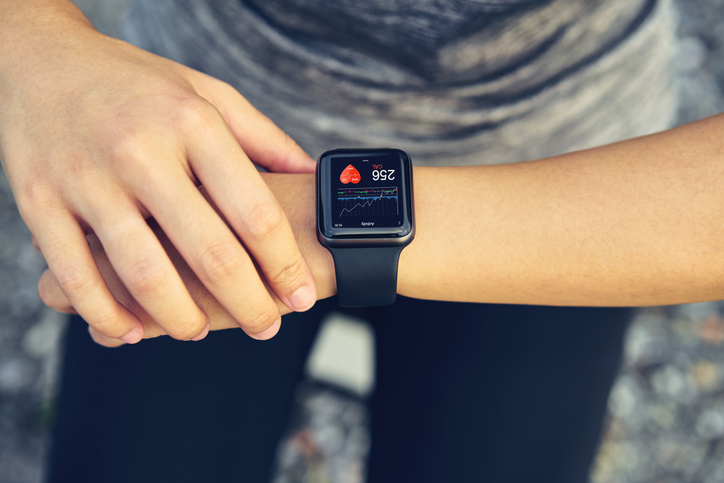
The challenge is determining whether wearable data is reliable enough to relieve the review burden, guide care, support reimbursement, or reassure a patient who is worried about their heart rhythm at two o’clock in the morning.
Uma (Veerappan) Nuggehalli of Flare Capital Partners thinks the healthcare AI startups that will come out on top will be companies that integrate seamlessly into workflows, build proprietary datasets and quickly determine how to sell their technology.
Healthcare is pouring money into AI, but poor data quality is quietly sabotaging results by scaling bias, errors, and mistrust instead of value. Until organizations fix historical data, set accuracy baselines, and keep humans in the loop, AI will multiply problems faster than it improves outcomes.
If leading hospitals are using these AI tools, and the companies mention HIPAA compliance on their websites, are the consumer AI health tools also regulated by HIPAA? Do consumers share a similar relationship with these companies as healthcare organizations do?
Healthcare providers need to be thinking not only about the experience that patients need and want now, but the experience they’re going to need and want down the road.
Imaging has become a core input into how health systems understand disease, evaluate outcomes, plan capacity, and increasingly, how they learn.
When AI is honest and acts as a connector in healthcare workflows, clinician time is freed up, accuracy is ensured, and revenue is protected.
Confirmed diversion cases do not equal true prevalence - they are directly dependent on investigative proficiency, tooling, and the bandwidth of the teams doing the work.
I lived for nine years with ALS while navigating a healthcare system that routinely obscured my own medical reality. But I know that pain is only amplified for individuals without medical expertise like mine.
Relationships between health systems, non profits, universities and public agencies are not new. The difference here is a nuance, the structure of the relationships are what stands out in these collaborations.